
Practicing Yoga with Glaucoma
Keeping the head above the heart
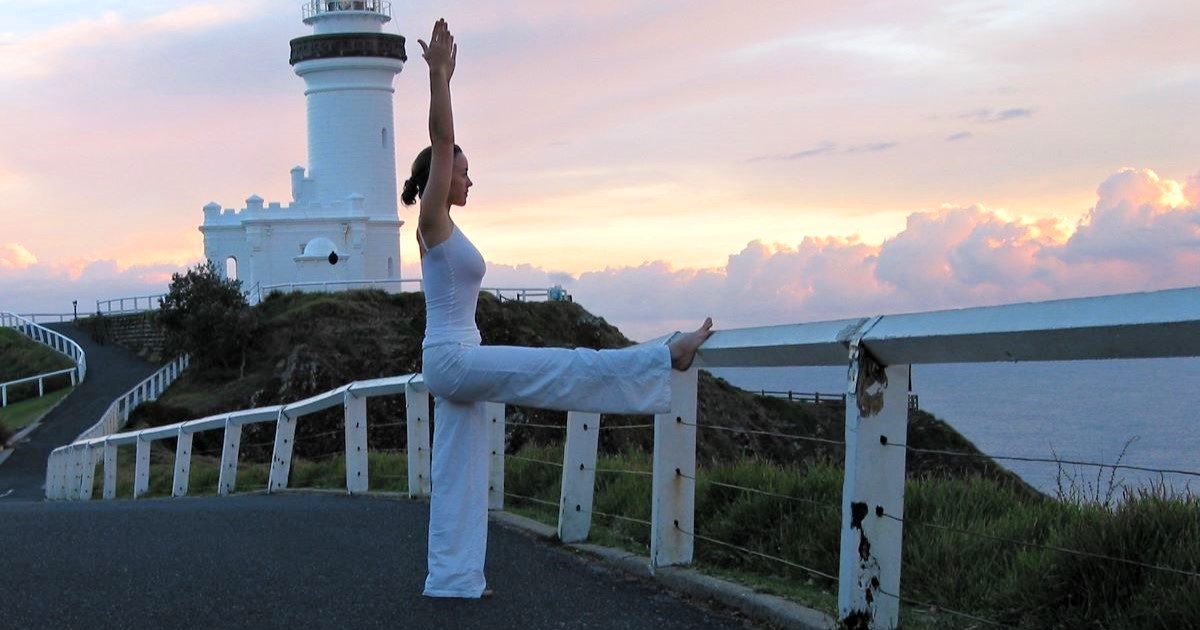
Over the years many guests have joined our retreats while living with glaucoma – and continued to enjoy a full, safe yoga practice with a few simple adjustments. At our recent New Zealand retreat, one guest – an experienced and active yogi – had just been diagnosed. Like many people, he hadn’t known he had the condition until the damage was already done.
Glaucoma affects the optic nerve and is often linked to increased pressure inside the eye (intraocular pressure or IOP). Some yoga poses – particularly inversions where the head drops below the heart – can temporarily raise eye pressure. But with a few thoughtful modifications, yoga can absolutely continue to be a safe, nourishing, and deeply beneficial practice.
The short answer is yes – you can practice yoga with glaucoma. You just need to know what to avoid and how to adapt.
Poses to avoid
Strong inversions where the head drops significantly below the heart are the main poses to avoid or modify:
Full inversions – Headstand, Shoulderstand, Forearm Stand, Handstand
Deep forward folds – Seated Forward Fold and Standing Forward Fold, unless modified with a long spine and gaze lifted rather than the head dropping
Downward Facing Dog – this depends on the individual. Some practitioners continue safely by keeping the gaze lifted and avoiding letting the head hang heavily. Others prefer to skip it entirely. Check with your eye specialist.
What you can safely practice
Many yoga postures are completely safe and supportive for people with glaucoma, especially when practiced with awareness. Some asana’s include:
Standing Poses
Tadasana (Mountain Pose)
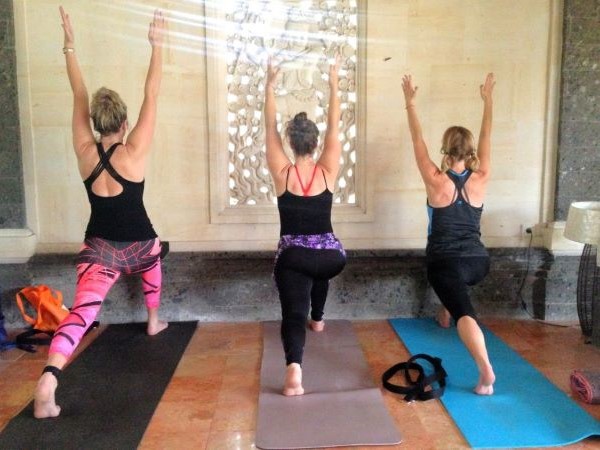
Virabhadrasana 1 & 11 (Warrior Poses)
Trikonasana (Triangle Pose)
Vrksasana (Tree Pose)
Lunge Poses
All practiced with the head upright and gaze forward or upward.
These poses cultivate balance, strength in the legs and opening in the hips while keeping the head safely above the heart.
Seated & Supine Postures
Cross legged Seated Pose
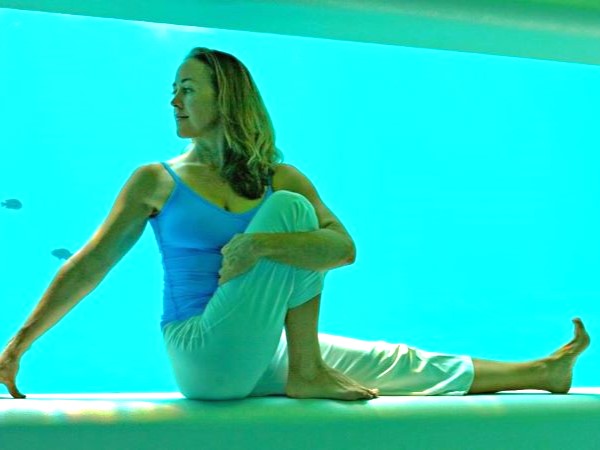
Seated Twisting Postures
Seated Hip Opening Postures, such as Baddha Konasana and Konasana
Seated Forward Bending Postures – modify by keeping the gaze and head upwards, rather than resting the head below heart level.
Reclined Bound Angle Pose (Supta Baddha Konasana) – with the head resting on a folded blanket to keep it above heart level.
Supta Padanghustasana – with the head resting on a folded blanket to keep it above heart level.
Restorative Postures
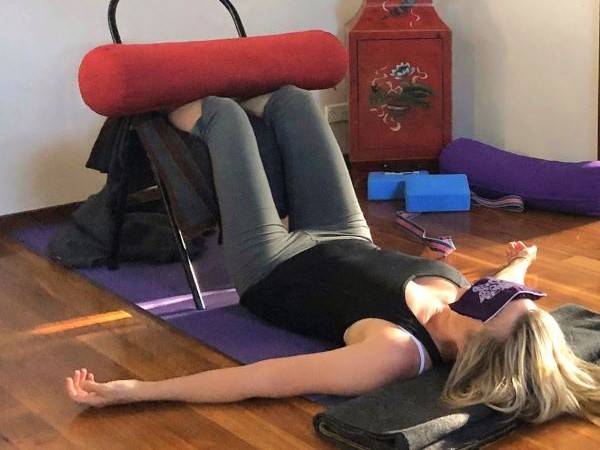
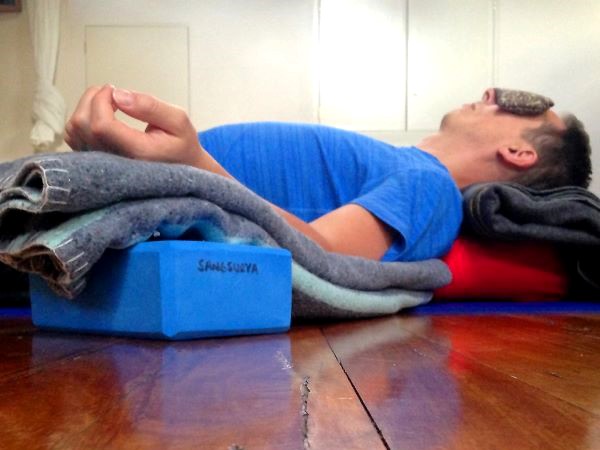
Chair Rest – lying down with the legs elevated on a chair – is a wonderful alternative to Legs Up The Wall. It offers similar restorative benefits without the head resting below the heart. This was one of the poses our NZ guest found most beneficial during the retreat. Restorative poses allow the nervous system to shift into healing mode and are deeply beneficial for overall wellbeing.
Pranayama & Meditation
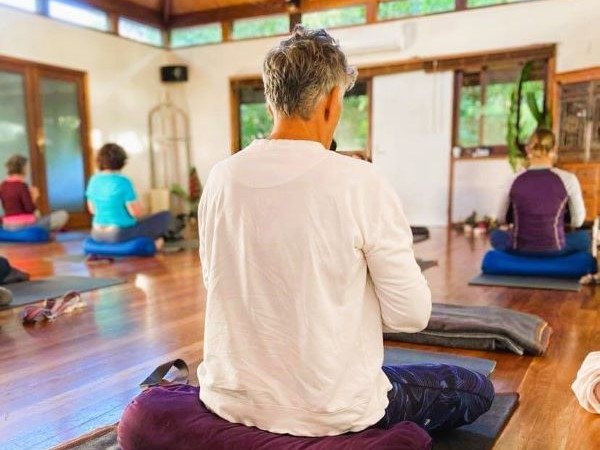
Soft belly breathing, alternate nostril breathing, guided body scans, and mindfulness meditation are all not only safe but particularly valuable – managing stress is directly beneficial for eye health. Pranayama and meditation can be incredibly powerful tools for overall wellbeing.
How to Adapt Your Practice
Keep the head and heart level – think about grounding and lifting rather than dropping down.
Use props freely – blocks, blankets, and bolsters allow you to modify poses without compromising alignment or safety.
Listen to your body – if you feel pressure, discomfort, or dizziness in any pose, come out of it immediately.
Work with an experienced teacher – someone who understands how to adapt yoga for medical conditions will help you feel confident rather than cautious.
Yoga is not about mastering extreme poses. It is about creating space in the body, settling the mind, and building a sustainable practice that serves you for life. With glaucoma, that intention does not change – just a few of the shapes do.
Always check with your healthcare provider if you are unsure about specific movements.
Feel free to get in touch with any questions. You might also like to explore our yoga retreats – small group, all levels welcome, with plenty of individual attention and adjustments throughout.